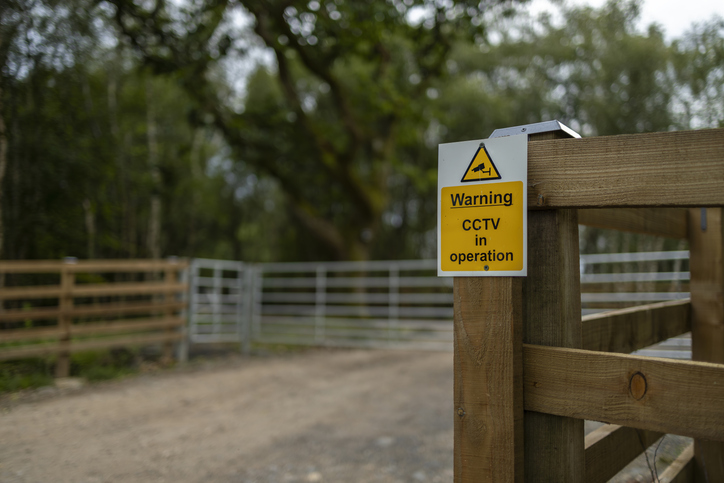
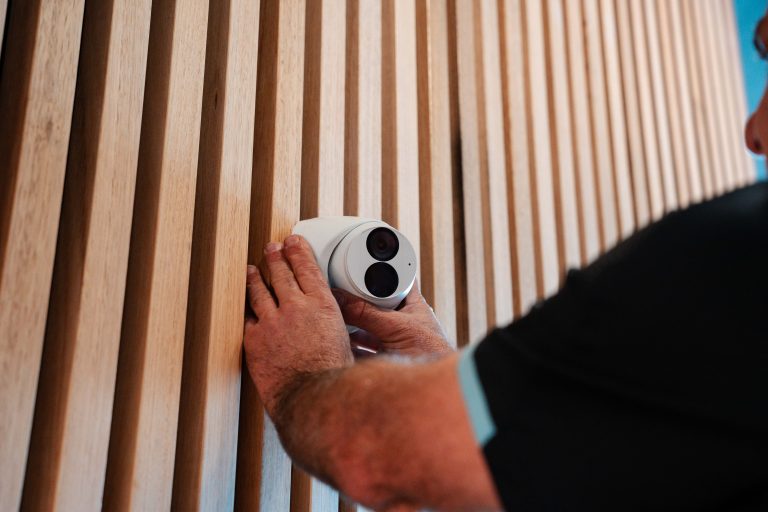
One of the most common questions we hear before booking in CCTV Camera Installation Sydney wide is simply, how many cameras do I actually need? It is a fair question, because more cameras is not automatically better security. A well positioned 4 camera system will often outperform an 8 camera system that has cameras pointed at the wrong angles or mounted too high to catch a face. The right number comes down to your property layout, entry points, and what you are actually trying to protect, not a one size fits all package.
The Quick Answer
Most Australian homes benefit from four to six strategically placed cameras. Here is a rough guide based on property type:
| Property Type | Typical Camera Count |
|---|---|
| Unit or small townhouse | 2 to 3 cameras |
| Standard single storey home | 4 to 5 cameras |
| Larger single storey or double storey home | 6 cameras |
| Double storey home with detached garage or acreage | 6 to 8 cameras |
A two camera setup can work for a small unit where you only care about the front entry and a shared driveway, but most standalone homes do better with at least four. Interestingly, a second storey does not automatically mean you need more cameras. CCTV is mainly there to monitor ground level access points, so a two storey home with the same footprint as a single storey one often needs a similar count, the difference is usually in mounting height rather than camera number.
Is 4 Cameras Enough for a Home?
For a lot of homes, yes. A four camera system can comfortably cover the front door, driveway, rear door and backyard when each camera is positioned properly. The key phrase there is positioned properly. Four cameras that are aimed with intention will beat eight cameras that were mounted quickly without a plan. If your property has extra access points such as side gates, a detached garage, or a large corner block, that is when it is worth stepping up to six or eight.
Where Should Security Cameras Go?
Rather than thinking in terms of a camera count first, it helps to think in terms of the zones around your property that actually need eyes on them.
Front door. This is non-negotiable for almost every home. It covers deliveries, visitors, and is often the first point of contact for anyone approaching the house.
Driveway. A driveway camera catches vehicles coming and going and gives you a wide view of anyone approaching the property from the street. It is also one of the most useful angles if a vehicle or number plate ever needs to be identified.
Side access. This is one of the most overlooked zones, and it is also a favourite route for anyone trying to avoid the more obvious front of house. If your property has a side gate or a narrow path running down the side of the house, it deserves its own camera rather than being an afterthought.
Backyard. Rear boundaries, back doors and any area not visible from the street should be covered, particularly if the backyard backs onto a laneway, park or neighbouring property with easy access.
Garage. Whether it is an attached or detached garage, this is where vehicles, tools and often a second entry point into the home live. A camera here covers both the structure itself and often doubles up on driveway coverage.
Blind spots. Every property has at least one area that gets missed on a first walk through, a gap between two camera angles, a garden bed that blocks a sightline, or a fence line that is easy to climb but not visible from any covered zone. These are exactly the areas worth mapping out before you commit to a camera count, because they are the ones that undermine an otherwise solid system.
Common Camera Placement Mistakes
Getting the number right is only half the job. Getting the placement right within each zone is where a system either earns its keep or falls short. Some of the mistakes we see most often:
- Mounting too high. A camera mounted too high captures the tops of heads instead of usable facial detail. Height needs to be balanced against field of view, not maximised for its own sake.
- Skipping side access entirely. It is consistently one of the most used access routes and one of the least covered.
- Buying only for today. Installing exactly the number of cameras needed right now, with no way to add more later, often means a partial rebuild down the track if the property changes or an extension gets added.
- Camera on every corner. More cameras is not automatically better. Coverage of actual risk zones matters more than the raw count, and unnecessary cameras just add to your storage needs and footage to sift through.
- Ignoring the NVR channel count. If you are considering four or more cameras, it is often worth choosing an NVR with extra channels from the start, since adding one more camera later is common once people see how useful the system is.
Getting the Right System for Your Property
The honest answer to “how many cameras do I need” is that it depends entirely on your home’s layout, its entry points, and what you are trying to protect, which is exactly why a proper site assessment beats a generic package. At Cranebrook Security Installations, we have spent over 30 years walking Sydney properties and mapping out the zones that actually matter, rather than pushing the same camera count on every home. Every quote is free, so you can find out exactly what your property needs before you commit to anything.
If you are ready to map out the right camera layout for your home, get in touch for a free, no obligation assessment.