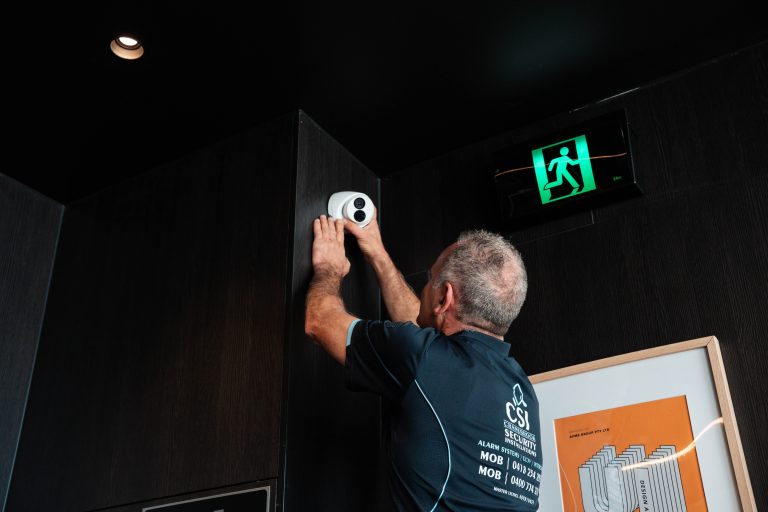
Renting a property does not mean giving up on security, but it does mean navigating a few extra questions before any cameras go up. Whether you are a tenant wanting peace of mind or a landlord protecting an investment property, the rules around CCTV Camera Installation Sydney wide work a little differently once a lease is involved. This guide focuses on the practical side of installing cameras at a rental, who can install what, who needs permission, and who owns the footage once it exists. For the broader legal picture on recording, consent and surveillance devices in NSW, our dedicated guide to CCTV laws in NSW covers that in full detail.
Can a Tenant Install Security Cameras?
Generally, yes, but the type of camera matters more than most tenants expect. Wireless, battery powered or plug in cameras that do not require drilling, wiring or any permanent alteration to the property are usually fine to install without needing formal approval, since they can be removed without leaving a mark. The moment a camera requires drilling into brick or render, running cable through walls, or any other change to the structure of the property, it counts as an alteration, and that is where landlord permission becomes necessary.
Do I Need My Landlord’s Permission to Install CCTV?
For anything beyond a simple, removable wireless setup, yes. Hardwired systems, anything that involves drilling, and any camera mounted to an external wall or eave should go through your landlord or property manager first. In practice, this usually means submitting a written request outlining exactly where the cameras will go, what type of system it is, and confirming that a suitably qualified installer will be doing the work. Landlords are generally expected to consider reasonable security requests fairly, particularly where a tenant has genuine safety concerns, but they can still place conditions on approval, such as requiring a wireless system instead of a hardwired one, or requiring the tenant to cover removal costs at the end of the lease.
It is worth getting any approval in writing rather than relying on a verbal yes, and including the installer’s details as part of that request tends to make landlords far more comfortable saying yes.
Can Landlords Install Security Cameras at a Rental Property?
Landlords generally have more flexibility here than tenants do, but it is not unlimited. Exterior cameras covering entry points, driveways and shared areas of the property are generally permitted, since they serve a reasonable security purpose for the property itself. What landlords cannot do is install cameras inside the rented premises. Indoor cameras, regardless of intention, are considered an invasion of a tenant’s privacy and are not permitted at any stage of a tenancy.
Landlords also need to notify tenants that exterior cameras are in place, ideally before a tenancy begins or as early as possible if a system is added afterward. Good practice is to show new tenants exactly where each camera is positioned and what it does and does not cover, which avoids confusion and disputes further down the track.
Can a Landlord Put Cameras Outside a Rental?
Yes, this is generally the most straightforward scenario in the whole rental CCTV question. Cameras positioned on the exterior of the property, covering the landlord’s own driveway, entry points and building perimeter, are considered a reasonable security measure and do not require tenant consent. The same privacy principles still apply though, cameras should be angled to cover the property itself, not a neighbour’s yard, windows or a shared laneway, and audio recording should generally be avoided given the stricter rules that apply to it compared with video.
Who Owns the CCTV Footage?
This is one of the more overlooked questions until a dispute actually happens. In practice, ownership generally follows whoever installed and paid for the system. If a landlord installed exterior cameras as part of the property’s security, that footage belongs to the landlord, though tenants living behind those cameras should reasonably be able to view relevant footage if it involves an incident affecting them. If a tenant installed their own approved system, they own the footage and the equipment, and a landlord has no automatic right to access it.
Because this is rarely spelled out clearly in a standard lease, it is worth putting it in writing at the time permission is granted, who owns the system, who can access footage, and under what circumstances footage might be shared with the other party or with police.
Can Tenants Remove CCTV When They Move Out?
Yes, and in most cases they are expected to. Any camera system a tenant installed during their tenancy is generally considered their property, and standard practice is to remove it and restore the property to its original condition at the end of the lease, patching any drill holes and reinstating any surfaces that were altered. This is usually a condition attached to the original approval for a hardwired system, so it is worth confirming removal expectations upfront rather than assuming it will be a non issue later. Wireless, non-invasive systems are naturally simpler here, since there is nothing to patch or repair once the cameras come down.
Getting It Right From the Start
Most disputes around rental CCTV come down to one thing, nobody put the arrangement in writing before the cameras went up. Whether you are a tenant requesting approval or a landlord fielding one, a short written agreement covering camera locations, system type, footage ownership and removal responsibilities saves everyone a headache later. At Cranebrook Security Installations, we have worked with tenants and landlords across Sydney for over 30 years, and we are used to designing systems that fit within a lease rather than working against it. Every quote is free, so you can find out what is realistic for your property before you approach the other party for approval.
If you need a system designed with a rental property in mind, get in touch for a free, no obligation quote.